



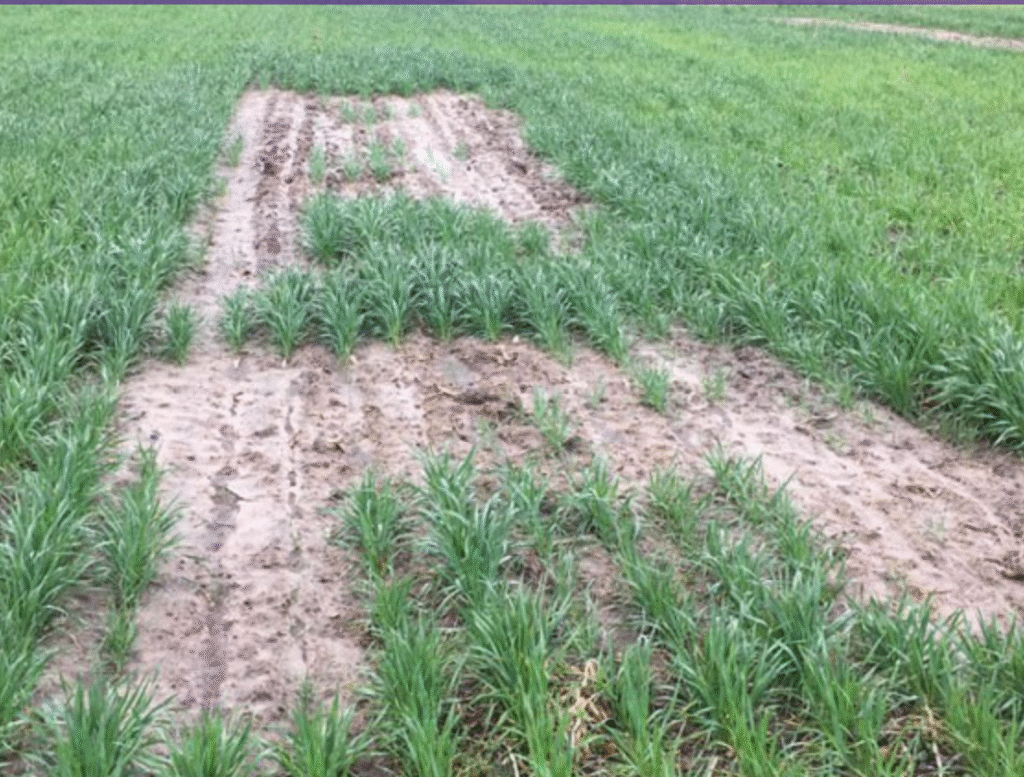

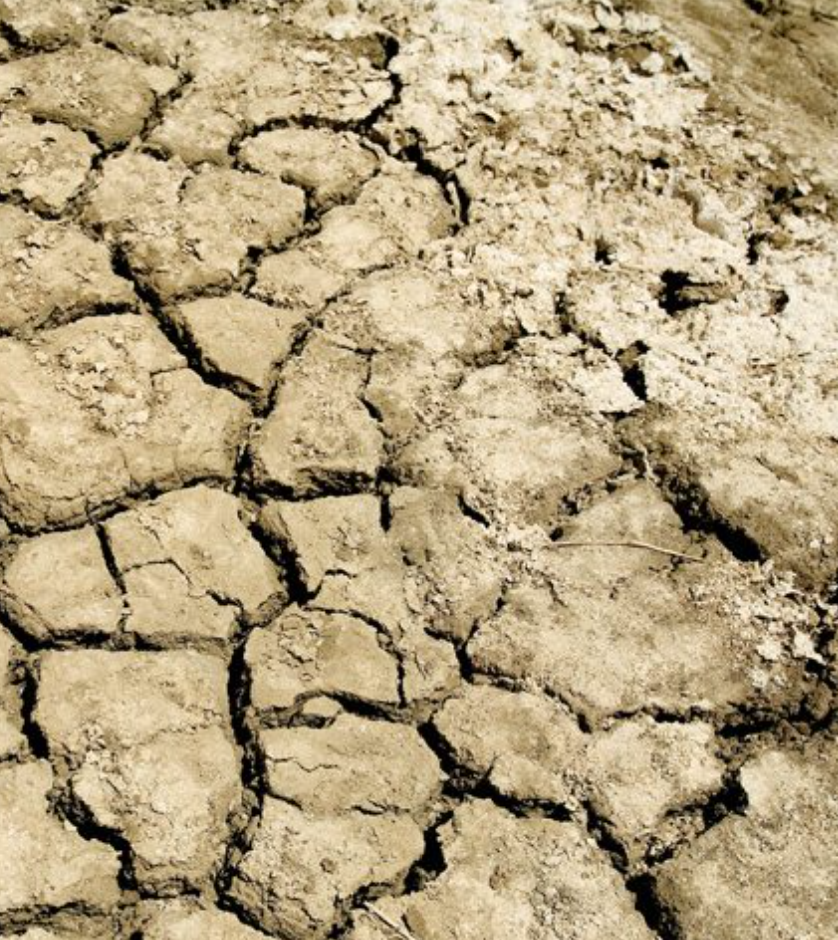
At Regenerative Farming Technologies Pvt. Ltd., soil reclamation is more than land recovery — it is the scientific restoration of soil vitality, biological activity, nutrient balance, and ecosystem functionality to rebuild sustainable agricultural productivity.
Healthy soil is a living ecosystem composed of minerals, organic matter, microorganisms, water, air, and plant roots working together in balance. However, excessive chemical fertiliser use, continuous monocropping, poor irrigation practices, salinity, erosion, compaction, and climate stress gradually damage this natural system, reducing the productivity and long-term sustainability of agricultural land.
Our regenerative soil reclamation approach focuses on restoring the physical, chemical, and biological properties of soil using advanced regenerative farming technologies, smart organic fertilisers, microbial solutions, and precision soil management systems.
Soil reclamation is the process of restoring degraded, nutrient-deficient, biologically inactive, or chemically imbalanced soils into healthy, productive, and biologically active agricultural ecosystems.
The primary objectives of soil reclamation are:
At Regenerative Farming Technologies Pvt. Ltd., reclamation strategies are scientifically designed according to:
Depending on post-reclamation land use, the restoration process may either:
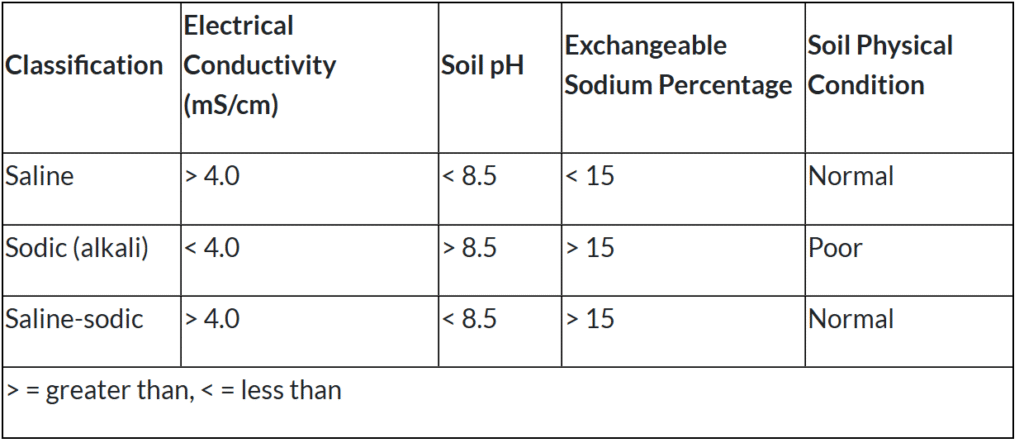
Major Problematic Soils in India:
| Problematic Soil Type | Major Causes | Soil Characteristics | Impact on Crop Growth | Common Regions in India |
|---|---|---|---|---|
| Saline Soil | Poor drainage, excessive salts, poor-quality irrigation water | White salt crust, high EC | Poor germination, osmotic stress | Gujarat, Rajasthan, Haryana |
| Sodic/Alkaline Soil | Excess sodium accumulation | High pH (>8.5), poor structure | Root damage, nutrient lock-up | Uttar Pradesh, Punjab, Haryana |
| Acidic Soil | High rainfall, nutrient leaching | Low pH (<6.5) | Aluminium toxicity, low phosphorus availability | Assam, Meghalaya, Kerala |
| Waterlogged Soil | Poor drainage & excessive irrigation | Low oxygen availability | Root suffocation & disease | Bihar, West Bengal |
| Nutrient-Depleted Soil | Continuous cropping & chemical overuse | Low organic carbon & nutrients | Reduced yield & poor soil biology | Pan India |
| Heavy Metal Contaminated Soil | Industrial pollution & wastewater irrigation | Toxic metal accumulation | Crop toxicity & food safety risk | Industrial regions |
Continuous cropping without proper organic replenishment removes essential nutrients from the soil. Excessive use of chemical fertilisers may temporarily increase production but gradually reduces the soil’s natural fertility and biological efficiency.
Plants require balanced macro- and micronutrients such as:
Improper fertilisation and soil degradation reduce nutrient availability and nutrient-use efficiency.
Healthy soil contains billions of beneficial bacteria, fungi, actinomycetes, and other microorganisms that support nutrient cycling and plant growth.
Excessive chemicals, pesticide residues, and declining organic matter reduce microbial diversity and biological activity.
The rhizosphere is the biologically active zone surrounding plant roots where microorganisms and roots interact continuously.
This region functions as a natural biochemical laboratory where microbes:
At Regenerative Farming Technologies Pvt. Ltd., our regenerative technologies focus on activating this underground biological system to naturally improve soil fertility and plant health.
Declining organic matter and soil compaction reduce the soil’s ability to absorb and retain water.
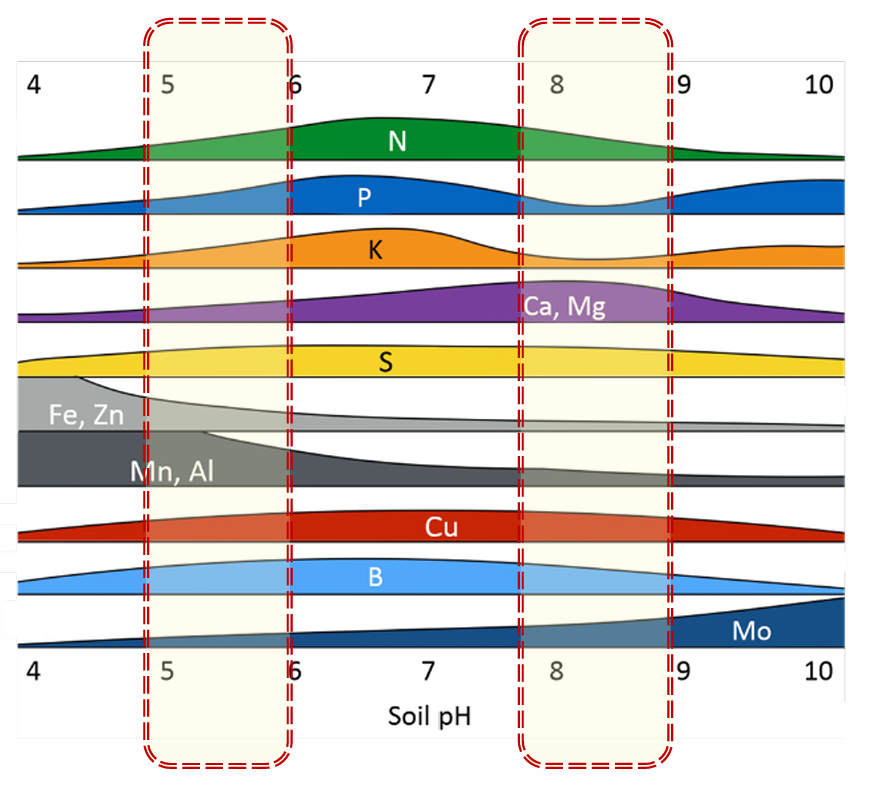
Soil pH strongly influences nutrient availability and microbial activity.
Industrial contamination, excessive agrochemicals, and poor-quality irrigation water may increase toxic heavy metals in soil such as:
Scientific regenerative strategies used for restoring degraded agricultural soils.
MODEL COPY FROM IMAGE : SOIL RECLAIMATION
Used to replace excess sodium with calcium.
GR=(ESPi−ESPf)×CEC×Soil Depth×Bulk Density100GR = \frac{(ESP_i – ESP_f) \times CEC \times Soil\ Depth\times Bulk\ Density}{100}GR=100(ESPi−ESPf)×CEC×Soil Depth×Bulk Density
| Parameter | Value |
|---|---|
| Initial ESP | 30 |
| Desired ESP | 15 |
| CEC | 20 meq/100g |
| Soil Depth | 15 cm |
Approximate gypsum requirement:
➡ 8–12 tons/hectare
Used to neutralize soil acidity.
LR=Soil Acidity×Buffer FactorLR = Soil\ Acidity \times Buffer\ FactorLR=Soil Acidity×Buffer Factor
| Soil pH | Recommended Lime Application |
|---|---|
| 5.5 – 6.0 | 1–2 ton/ha |
| 5.0 – 5.5 | 2–4 ton/ha |
| Below 5.0 | 4–6 ton/ha |
| Soil Problem | RegenTM Reclamation Solution | Scientific Action |
|---|---|---|
| Saline Soil | Organic carbon enrichment + microbial reclamation | Improves osmotic balance & microbial recovery |
| Sodic Soil | Gypsum + RegenTM Smart Organic Fertilisers | Replaces sodium and restores structure |
| Acidic Soil | Lime + biological nutrient balancing | Improves pH and nutrient availability |
| Low Organic Carbon | Compost, biochar & microbial activators | Enhances soil vitality |
| Poor Microbial Activity | Rhizosphere activation technologies | Stimulates beneficial microbes |
| Compacted Soil | Organic matter & biological aggregation | Improves aeration and root penetration |
| Nutrient Imbalance | Precision nutrient management | Balances macro & micronutrients |
| Water Stress Soil | Mulching & carbon-rich amendments | Improves water-holding capacity |
| Step | Activity | Objective |
|---|---|---|
| 1 | Soil Testing & Mapping | Identify soil constraints |
| 2 | Biological & Chemical Analysis | Understand nutrient & microbial status |
| 3 | Reclamation Planning | Design crop & amendment strategy |
| 4 | RegenTM Application | Restore biological activity |
| 5 | Rhizosphere Activation | Improve nutrient cycling |
| 6 | Monitoring & Precision Management | Maintain long-term soil health |
| Soil Reclamation Benefit | Agricultural Impact |
|---|---|
| Improved Soil Fertility | Higher crop productivity |
| Enhanced Soil Biology | Better nutrient cycling |
| Increased Water Retention | Improved drought tolerance |
| Balanced Soil pH | Better nutrient availability |
| Reduced Chemical Dependency | Sustainable farming system |
| Improved Soil Structure | Stronger root growth |
| Higher Organic Carbon | Long-term soil vitality |
Regenerative Farming Technologies Pvt. Ltd. is committed to restoring degraded soils through regenerative science, smart organic technologies, and biological soil management systems that help farmers build productive, profitable, and climate-resilient agricultural ecosystems.



Phone Number
+91 9696463077
Email Address
Info@regenfarmtech.com
Location
Akhari, Akhari Bypass City/District Varanasi, State:U.P. PIN:221011
Lorem ipsum dolor sit amet, consectetur adipiscing elit. Ut elit tellus, luctus nec ullamcorper mattis, pulvinar dapibus leo.
© 2025 Regen. All Rights Reserved. Developed By Dizi Global Solution